- English
- French
- German
- Portuguese
- Spanish
- Russian
- Japanese
- Korean
- Arabic
- Greek
- German
- Turkish
- Italian
- Danish
- Romanian
- Indonesian
- Czech
- Afrikaans
- Swedish
- Polish
- Basque
- Catalan
- Esperanto
- Hindi
- Lao
- Albanian
- Amharic
- Armenian
- Azerbaijani
- Belarusian
- Bengali
- Bosnian
- Bulgarian
- Cebuano
- Chichewa
- Corsican
- Croatian
- Dutch
- Estonian
- Filipino
- Finnish
- Frisian
- Galician
- Georgian
- Gujarati
- Haitian
- Hausa
- Hawaiian
- Hebrew
- Hmong
- Hungarian
- Icelandic
- Igbo
- Javanese
- Kannada
- Kazakh
- Khmer
- Kurdish
- Kyrgyz
- Latin
- Latvian
- Lithuanian
- Luxembou..
- Macedonian
- Malagasy
- Malay
- Malayalam
- Maltese
- Maori
- Marathi
- Mongolian
- Burmese
- Nepali
- Norwegian
- Pashto
- Persian
- Punjabi
- Serbian
- Sesotho
- Sinhala
- Slovak
- Slovenian
- Somali
- Samoan
- Scots Gaelic
- Shona
- Sindhi
- Sundanese
- Swahili
- Tajik
- Tamil
- Telugu
- Thai
- Ukrainian
- Urdu
- Uzbek
- Vietnamese
- Welsh
- Xhosa
- Yiddish
- Yoruba
- Zulu
Why Electric Tuk Tuk 4 Seat Vehicles Are Ideal for Urban Passenger Transportation?
Urban public transportation faces increasing pressure from rising fuel prices, stricter emission rules, and the need for efficient last-mile connections. With zero-emission electric drivetrains and small proportions that are ideal for crowded city streets, electric tuk-tuk 4-seat vehicles emerge as a practical answer to these problems. These special three-wheeled electric vehicles can fit one driver and three people. Compared to regular gasoline-powered vehicles, they can save up to 70% on operating costs. Their quiet motors, low upkeep needs, and ability to meet changing environmental standards in cities make them very appealing to city transit systems, property management firms, and transportation companies looking for environmentally friendly ways to move people.
Understanding Electric TUK-TUK 4-Seat Vehicles: Features and Benefits
Modern electric 4-seat tuk-tuks are a big step forward in the tech of getting around cities. Unlike cars with combustion engines, these cars use high-efficiency electric motors and reusable lithium battery systems that completely get rid of pollution from the tailpipe. The technology solves some of the biggest problems fleet owners are having right now, like unstable fuel prices, difficult engine repair, and the need to follow strict rules.
Core Technical Specifications That Matter
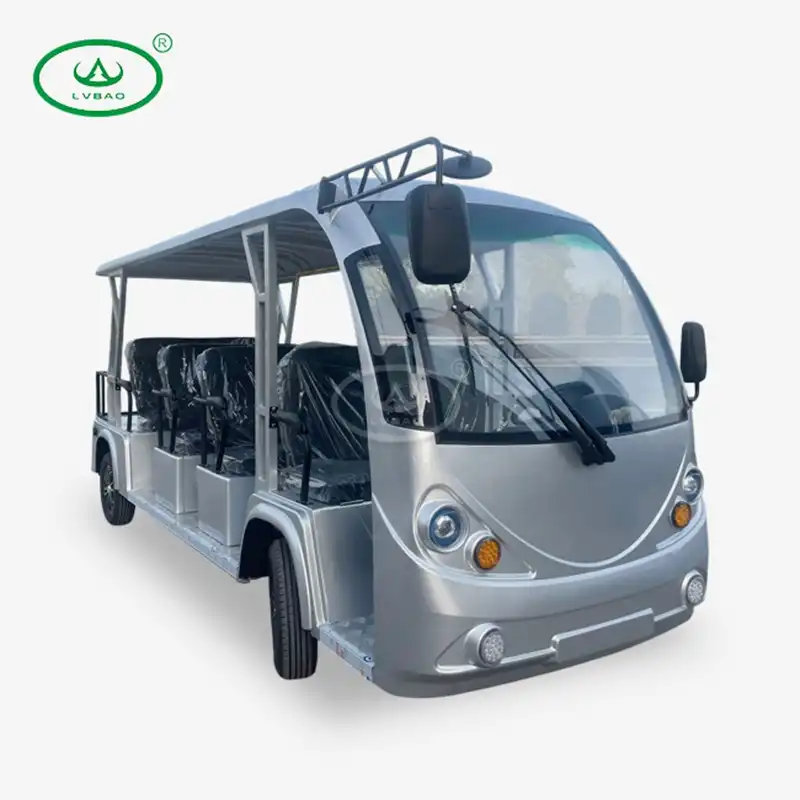
Procurement managers should pay attention to a few key features when looking at electric 4-seat tuk-tuks for use in businesses. With its 60/72V 4500W AC asynchronous motor and strong power output, which is good for city situations, the Lvbao model is a professional-grade engineering model. The vehicle is 2550 mm long, 1350 mm wide, and 1800 mm high, giving it the perfect size to fit through tight streets while keeping its safety thanks to its 1900 mm wheelbase and 1200 mm track width. It can go as fast as 60 km/h and weighs only 375 kg when empty. This makes it perfect for cities where traffic speeds rarely go over 50 km/h.
The working flexibility is directly affected by the battery size. The 72V160Ah configuration gives you between 80 and 120 km of range per charge, based on the environment, the number of people in your car, and how you drive. This range is a good fit for daily trips used by hotel shuttle services, industrial college transportation, and activities at tourist sites. Charging infrastructure support is also important. Standard 220V plugs can fully charge in 6 to 8 hours, so you can recharge overnight between jobs.
Passenger Comfort and Safety Integration
There are more comfort elements than just seats. When you combine the double wishbone spring fork front suspension with an automotive-grade constant velocity joint type system for independent shock absorption, you get a smooth ride even on city streets that are getting worse. This engineering choice keeps car parts from wearing out too quickly and keeps passengers from getting tired on longer trips.
Two types of brakes are built into safety systems: front and rear three-wheel drum-type hydraulic brakes work as the main brakes, and a mechanical parking brake that you can operate with your foot works as a backup. The 125/65-12 tire size is a good compromise between longevity and ride comfort. The anti-rust paint coating technology on the car makes it last longer in humid or seaside areas where rusting usually happens faster.
The estimated capacity can hold up to four people and a maximum of 500 kg, which allows for a variety of deployment situations. Tourism businesses can move small groups of people with their bags, property managers can provide shuttle services for residents, and factories can quickly move workers from one building to another. The ability to climb up to a 25% grade is very useful in hilly cities, where other electric 4-seat tuk-tuks often have trouble keeping up with the traffic.
Comparing Electric Tuk-TUK 4-Seat Vehicles with Traditional and Alternative Options
When people are looking for ways to get around cities, they need to compare electric 4-seat tuk-tuks with other technologies. The comparison shows strong benefits in several areas that have a direct effect on total cost of ownership and business efficiency.
Fuel Cost Elimination and Maintenance Simplification
Tuk-tuks that run on gasoline use about 4 to 6 liters of fuel every 100 kilometers. This means that companies with many cars will spend a lot of money on fuel every year. At the current average price of $3.50 per gallon in the U.S., the cost of fuel alone for a single car going 100 km every day adds up to about $500 to $700 per month. An electric tuk-tuk with 4 seats cuts this down to $80-$120 in power costs, which is an 84% savings.
Electric motors have a lot fewer moving parts than internal combustion engines, so they need a lot less maintenance. You no longer need services like changing the oil, replacing the spark plugs, fixing the exhaust system, and repairing the engine. Over a five-year period, fleet managers say that repair costs have gone down by 60–70%, and vehicles have been down less because they have been serviced more often.
Emissions Compliance and Urban Access
Cities all over the world are creating tighter and stricter emission zones that limit or ban combustion cars in city areas, historic neighborhoods, and areas with lots of foot traffic. An electric tuk-tuk with 4 seats can still get into these places without any problems, which keeps the money-making chances for service providers and tourist operators. The zero tailpipe emissions profile is in line with city sustainability goals, which means that owners may be able to get green fleet benefits, tax credits, or better licensing terms.
Noise reduction is important in all kinds of places, like living areas, areas near hospitals, and cultural sites. Electric motors make about 60 to 65 decibels of noise when they're running, while gasoline engines make 80 to 90 decibels. This means that neighbors are less likely to complain, and businesses can stay open longer in noise-sensitive areas.
Capacity and Maneuverability Balance
Compared to electric rickshaws with six seats, the electric tuk-tuk, a 4-seater, is more maneuverable. Because it's small, it can get through crowded markets, hotel spaces that aren't very wide, and tight parking lots that bigger cars can't get through. The turning radius lets you make U-turns on normal city streets without having to do three-point moves. This makes operations more efficient when there is continuous stop-and-go service.
Another option is a golf cart, but it doesn't have the weather protection, structural reinforcement, or road-legal approval needed to be used on a public roadway. Electric tuk-tuks with 4 seats have enclosed passenger cabins with doors, safety glass, and lighting systems that meet road safety standards. This means that they can legally operate on city streets instead of just private land or marked tracks.
Financial and Procurement Considerations for B2B Buyers
Procurement managers and fleet leaders need to look at the electric 4-seat tuk-tuk from a financial point of view that goes beyond the price tag. You can find the real economic value of an item over its useful life by looking at its total cost of ownership.
Upfront Investment and Financing Flexibility
Depending on the features, battery size, and specs, a high-quality electric 4-seat tuk-tuk can cost anywhere between $8,000 and $15,000. The vehicle costs 30–50% more than similar gasoline cars, but savings in running costs cover the difference in investment in 18–24 months. There are different ways to buy things, such as buying them directly for companies with a lot of money, leasing them to keep their operating capital safe, or financing packages that spread the costs over 3 to 5 years.
Buying in bulk can gain you more benefits. When you buy more than 10 units, you can usually get 8–12% off, and when you buy 50 or more cars through a relationship, you can make changes like adding a livery, integrating sensors, and changing the specifications. Well-known companies like Lvbao, which has more than 410,000 square meters of production space spread out across Jiangsu Province, keep enough inventory and production capacity to support both small-scale fleet operations and large-scale pilot projects.
Warranty Coverage and After-Sales Support
When choosing a supplier, you should emphasize having complete warranty programs and easy-to-reach expert help networks. Standard coverage in the industry includes 2-year warranties on vehicles and 3- to 5-year guarantees on batteries, which protect against flaws in the manufacturing process and early capacity loss. Professional-grade electric tuk-tuks with 4 seats usually have lithium iron phosphate batteries that can be charged and discharged 2,000 to 3,000 times. This means that the batteries will last for 5 to 7 years under normal circumstances.
The provision of after-sales service has a direct effect on fleet performance. Suppliers who keep extra parts on hand, offer technical training for in-house workers, and offer online diagnostic support help businesses lose less money when vehicles break down. Companies that have ISO9001 quality management certification and hire specialized expert staff show that they have the organizational skills to provide quick customer service.
Environmental and Operational Impact of Electric Tuk-Tuk 4-Seat Vehicles
Sustainability factors are becoming more important in purchasing choices as companies try to meet the needs of stakeholders, comply with regulations, and keep their corporate responsibility promises. There is evidence that electric 4-seat tuk-tuks are better for the environment and are still useful for everyday use.
Carbon Footprint Reduction and Urban Air Quality
About 29% of U.S. greenhouse gas pollution comes from transportation, with private cars in cities making up a big part of that. If one gasoline-powered tuk-tuk is replaced with an electric tuk-tuk 4-seater, it stops about 2.5 to 3.5 metric tons of CO₂ from being released each year, assuming that it is used every day. Fleet managers with 20 vehicles can show savings of 50 to 70 metric tons, which helps with climate action and environmental reporting.
The changes in local air pollution are just as important. Particulate matter, nitrogen oxides, and volatile organic compounds that cause smog and lung health problems in cities are gone when vehicle emissions are zero. Cities that care about public health are increasingly favoring service providers that show they are working to reduce emissions. This gives companies that use electric 4-seat tuk-tuks a competitive edge.
Lifecycle Management and Battery Issues to think about
Smart control of batteries improves operational expenses. These days, battery management systems monitor cell temperatures, charge levels, and discharge trends. This prevents overcharging or heavy discharge from damaging the batteries. By not completely draining the battery and limiting the number of times it can be charged quickly, operators can maximize battery life and keep replacement costs as predictable as possible.
End-of-life battery recycling programs make it easier to get rid of batteries responsibly while also recovering valuable materials. Reclaiming lithium, cobalt, and nickel lowers the need for raw materials and the damage that mining does to the earth. Manufacturers who are on the cutting edge work with approved recycling sites to offer battery trade-in programs that help people avoid having to buy new batteries and make sure they are thrown away properly.
Safety Certification and Dependability in Operations
Professional-grade electric tuk-tuks with 4 seats go through strict testing procedures to make sure they are safe for passengers and work reliably. Sealing electrical parts with IP65 or IP67 ratings keeps water out during heavy rain or through small puddles, which is important for effective operation in a range of weather conditions. Checking the brake system makes sure that the vehicle can stop at the required lengths when it's under full load and checking the chassis's strength in crash situations.
Vehicles that meet foreign safety standards, including DOT rules when they apply, are legal to drive and protect drivers from responsibility. Features that improve safety, like hydraulic stopping systems, reinforced passenger cabins, and compliant lighting systems, lower the chance of accidents and show that drivers and passengers are being properly cared for.
Why Electric TUK-TUK 4-Seat Vehicles Are the Smart Choice for Urban Passenger Transport: Summary and Future Outlook
Using an electric tuk-tuk with 4 seats in the real world proves its usefulness in a variety of operating settings. Tourism businesses in heritage areas say their running costs have gone down by 45% while keeping the quality of their services. They say this is because they no longer have to pay for fuel, and upkeep is easier. Property management companies that work with both residential areas and business parks say that reducing noise and pollution are two of the most important ways to make residents happier.
Adding smart cities together increases their strategic value. Telematics systems let GPS tracking, route optimization, and usage monitoring happen. This gives fleet managers data-driven insights that they can use to plan capacity and improve service. Clever grid systems control centralized charging infrastructure, making demand-responsive charging possible and lowering energy costs and grid stress.
As technology changes, it continues to make things possible. Better battery chemicals offer 150–200 km ranges in three years, and connected car systems let you get maintenance alerts ahead of time, which cuts down on breakdowns that happen out of the blue. Even though it's still in the test stage, adding autonomous driving makes the electric 4-seat tuk-tuk a possible choice for future shared mobility networks that can work without drivers in controlled settings like airports, theme parks, and college campuses.
Companies that buy electric tuk-tuks with 4 seats now will be in a good situation as changes to how people get around cities speed up. Regulatory trends always support zero-emission technologies through rewards, easier access, and finally getting rid of combustion engines. Late adopters will have a hard time copying competitive moats that builders create by developing practical skills, charging infrastructure, and service models around electric platforms.
Conclusion
Electric tuk-tuk 4-seat vehicles address key issues in urban transportation by using proven technology that benefits both the economy and the planet. These vehicles are useful for city transportation, tourist operations, industrial campus transportation, and last-mile connection services because they produce no pollution, have very low running costs, and make passengers more comfortable. Technical specs like strong motors, enough battery life, and a lot of safety features make sure that the electric 4-seat tuk-tuk will work reliably in most urban usage situations. As towns around the world tighten their emission standards and businesses put sustainability goals at the top of their list of priorities, electric 4-seat tuk-tuks are smart investments that balance operating efficiency with environmental responsibility while still being able to provide full service.
FAQ
What is the typical range of a 4-seat electric tuk-tuk vehicle on a single charge?
The range is different depending on the battery size and how it is used, but it's usually between 80 and 120 km. The 72V160Ah configuration is ideal for daily trips in cities. The real journey will depend on things like the number of passengers, the terrain, and the temperature outside. Batteries can be charged overnight using standard 220V plugs, making them ready for use the next day.
How do maintenance expenses compare with gasoline-powered alternatives?
Over five years, electric 4-seat tuk-tuks cut down on upkeep costs by about 60 to 70%. Electric tuk tuks don't require regular repairs because they don't need oil changes, spark plugs, exhaust systems, or complicated engines. Because of regenerative stopping, brake systems wear out less quickly, and electric motors don't need much maintenance other than regular checks.
Can these vehicles handle steep urban inclines?
Good electric tuk-tuks with 4 seats can go up and down a 25% grade, so they can handle steep neighborhood streets and hilly landscapes well. The 4500W AC motor has enough torque for full operation on slopes, keeping up performance where less powerful options struggle or get too hot.
Partner with Lvbao for Your Electric Urban Transport Solutions
Changzhou Lvbao Electric Technology has tested electric tuk-tuk 4-seat vehicle options that can help you make the switch to more environmentally friendly urban public transportation. Our production sites cover 410,000 square meters across Jiangsu Province and are staffed by more than 500 technical professionals. They make high-quality goods, and they back them with more than 40 utility model patents and full ISO certifications. As a national high-tech company and MIIT Tier 1 listed business, we offer various purchasing choices, such as OEM and ODM partnerships, that are designed to meet the needs of city operators, property managers, and transportation service providers. As a provider of a 4-seat electric tuk-tuk, we want your business to succeed. Email our team at ken@lvbaoev.com to discuss your fleet needs, set up vehicle demos, or look into group purchasing prices.
References
1. International Energy Agency. (2022). Global EV Outlook 2022: Securing Supplies for an Electric Future. IEA Publications.
2. Transportation Research Board. (2021). Electric Vehicles and Urban Air Quality: Impact Assessment in Metropolitan Areas. National Academies Press.
3. Society of Automotive Engineers. (2023). Technical Standards for Three-Wheeled Electric Passenger Vehicles. SAE International Standards.
4. Urban Land Institute. (2022). Last-Mile Mobility Solutions for Smart Cities: Implementation and Economic Analysis. ULI Research Reports.
5. Battery Technology Research Institute. (2023). Lithium Iron Phosphate Battery Performance in Commercial Vehicle Applications. Journal of Energy Storage Systems, Volume 48.
6. World Resources Institute. (2021). Decarbonizing Urban Transport: Policy Frameworks and Technology Pathways. WRI Sustainable Cities Program.
Tell us your requirements – get a tailored quote and technical support within 24 hours.